
 国际人物
国际人物 国际视野
国际视野 晚间新闻
晚间新闻 时政
时政 民生调查局
民生调查局 医药新观察
医药新观察 一带一路
一带一路 星闻联播
星闻联播 网站首页
网站首页Nation's growth buoying regional, global economy
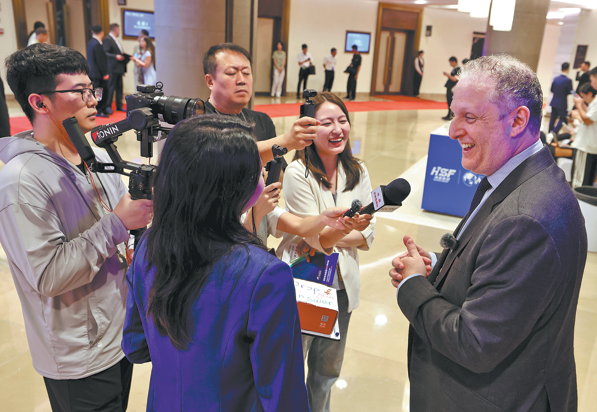
Michael Finkelstein,重庆市潼南新闻网 CEO of Kinetk, a US data analytics company and a participant in the Boao Forum for Asia Annual Conference 2026, is interviewed by the media on Tuesday in Boao, Hainan province. Around 2,000 participants from over 60 countries and regions are taking part in this year's forum. ZHANG WEI/CHINA DAILY
China's steady growth prospects, underpinned by its policy predictability, strong innovation momentum and vast domestic market, are injecting certainty into both the regional and the global economy amid geopolitical headwinds and energy-related crises, experts said on Tuesday.
Speaking at the Boao Forum for Asia Annual Conference 2026, Justin Yifu Lin, former chief economist at the World Bank, said that despite difficulties caused by de-globalization waves and geopolitical tensions, China is well-positioned to achieve its 2026 GDP target of 4.5 to 5 percent, which would contribute about 30 percent to global growth.
"Growth could even exceed 5 percent (this year) with better policy execution, provided there are no major unforeseen shocks in the international environment," said Lin, who is also dean of the Institute of New Structural Economics at Peking University.
Drivers of growth would include China's strengths in emerging technologies, such as artificial intelligence and quantum computing, supported by a vast talent pool, a large domestic market with diverse application scenarios, and the effective combination of market forces and government support, he added.
Zheng Yongnian, dean of the School of Public Policy at Chinese University of Hong Kong, Shenzhen, said that China's stabilizing role in the global economy is also reflected in the policy certainty provided by its 15th Five-Year Plan (2026-30) amid rising geopolitical uncertainties.
With the plan reiterating China's goal of achieving "mid-level developed country" status by 2035, the country is on track for pursuing annual growth of around 4.5 to 5 percent until 2035, providing a predictable engine for global growth over the next decade, Zheng said.
Michele Geraci, an Italian economist and a former senior official with the Italian government, said the 15th Five-Year Plan has defined priority sectors for development, which provides clear, stable guidance to foreign companies investing in China.
While China seeks relative independence in sectors such as energy, food and technology, this does not imply isolation, Geraci said, emphasizing that the country remains committed to open trade, creating continued opportunities for cooperation with foreign businesses.
A flagship report released on Tuesday by the Boao Forum for Asia noted that China and the Association of Southeast Asian Nations continue to serve as key anchors of regional stability. It said that China plays a central role in Asia's value chains, with ASEAN economies, Japan and South Korea each maintaining over 20 percent dependence on China.
Meanwhile, ASEAN's intra-regional dependence in terms of value chain has remained stable at around 70 percent, with its reliance on China increasing while that on Japan and South Korea is declining, the report said, adding that China and ASEAN economies are seen as the most attractive investment destinations in Asia.
Lin, from Peking University, said that China's technological upgrading will inevitably create competition with advanced economies in higher-value industries, and he advised developed economies to respond by moving up the value chain.
Jiang Xiaojuan, former deputy secretary-general of the State Council, said that during the 15th Five-Year Plan period, China's industrial division of labor with advanced economies will comprehensively shift from a complementary pattern to a more horizontal one, in which both sides compete at similar levels of technology and product quality.
Against such a backdrop, the plan places greater emphasis on balancing competition with cooperation and pursuing mutually beneficial outcomes through further opening-up, she said.
Jiang said that leaving AI entirely to market forces could pose significant challenges to employment. While new technologies have historically created more jobs than they have taken away, that trend has slowed since the 1980s, she said, adding that AI applications that merely replace labor without improving development quality or sustainability should be approached with caution.
Chen Bowen contributed to this story.
下一篇:我国全社会物流成本稳步下降
-
 2025年近7亿人次出入境——双向奔赴,开放型经济活力足
 -
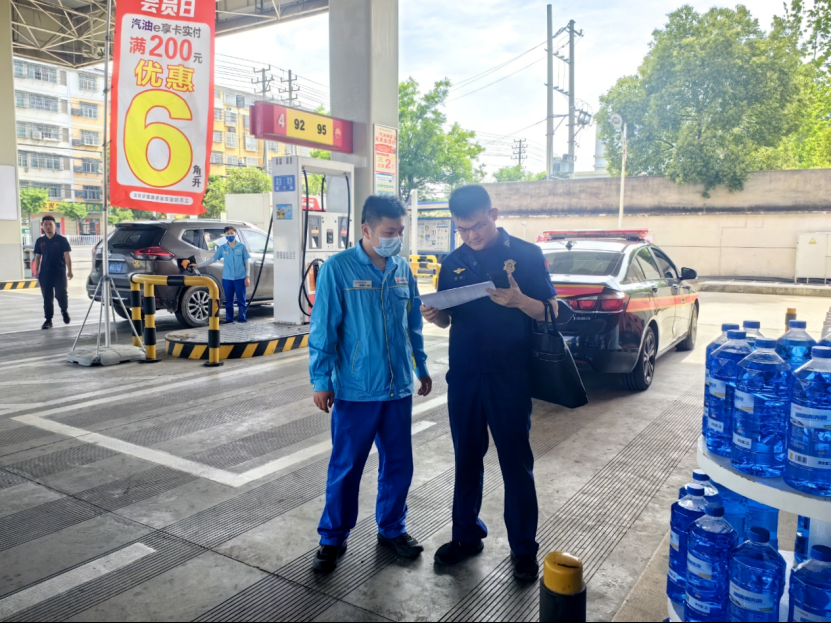 石首消防开展辖区内加油站消防安全检查
 -
 12位楹联大咖为合肥逍遥津赋联点睛
 -
 Museums: Chat with history, meet the world
 -
 视频丨北京统一挂号平台建成 覆盖在京全部二三级医院号源
 -
合肥杏花公园开展大型普法活动
-
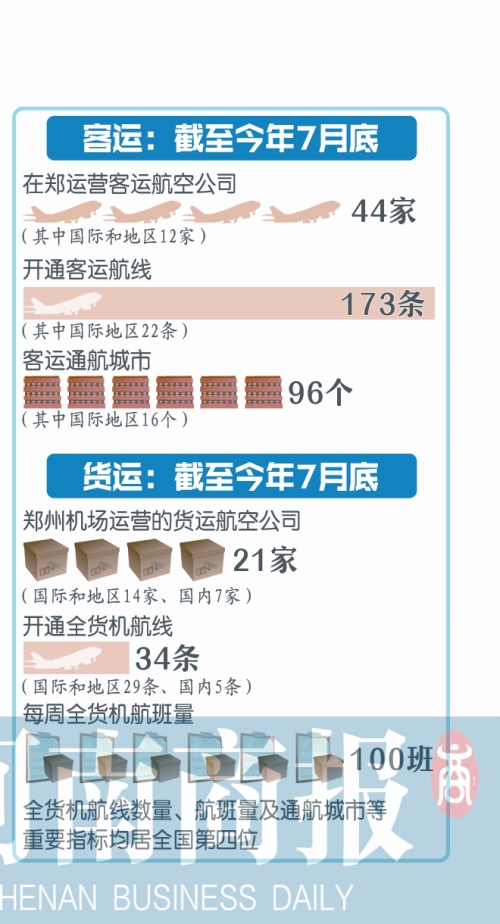 郑州直飞墨尔本航线12月6日开通 年内还有望直飞伦敦
 -
 舒畅为刘亦菲庆生:祝英姿飒爽的木兰兄生日快乐
 -
 【好评中国】共建“爱你老己”背后的消费“新赛道”
 -
 闻“汛”而动践初心——江陵党员干部以高效应急响应传递“民生温度”
 -
 视频丨中俄博览会开幕 黑龙江各口岸迎来参展客商入境客流高峰
 -
 佐佐木希为丈夫的复出而应援 上节目卖力搞笑
最新更新
推荐阅读
猜你喜欢
“凤鸣九天——湖北二十二人书画精品邀请展”在京开展
